How Montessori Encourages Early Reading and Math Skills
One of the most common questions parents ask when choosing a preschool is, "Will my child be ready for kindergarten?" At Global Village Montessori, we believe children develop the strongest academic foundation when learning is hands-on, engaging, and guided by their natural curiosity.
The Montessori method introduces early reading and math concepts through purposeful activities that make learning meaningful rather than stressful. Instead of memorizing facts or completing worksheets, children build confidence by exploring materials designed to match their stage of development.
Building Strong Early Reading Skills
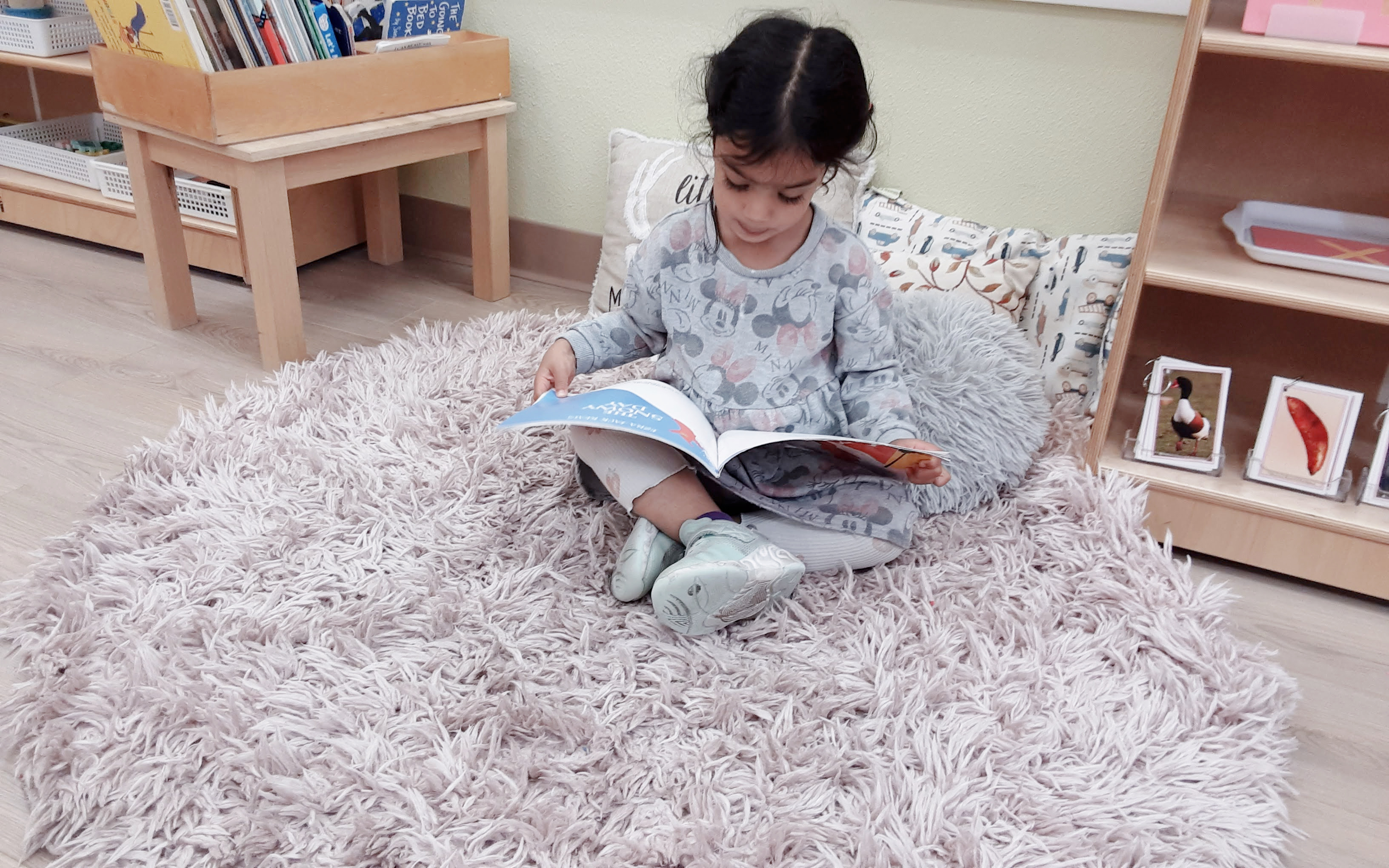
Language development begins long before a child reads their first book. In a Montessori classroom, children are surrounded by opportunities to expand their vocabulary, strengthen listening skills, and develop a love of language every day.
Our teachers encourage conversations, storytelling, songs, and read-aloud time that help children understand how language works. As they become more confident, children begin recognizing letter sounds before learning letter names, an approach that supports strong phonics skills and early reading success.
Montessori materials allow children to trace letters with their fingers, helping them connect movement, sound, and visual recognition. This multi-sensory approach makes learning letters enjoyable and memorable.
As children progress, they begin blending sounds to form simple words, eventually moving into reading books at their own pace. Because each child learns individually, there is no pressure to keep up with classmates or rush through milestones.
Developing a Love for Math
Math is everywhere in a Montessori classroom. From counting objects to measuring ingredients during cooking activities, children discover that numbers have real meaning in everyday life.
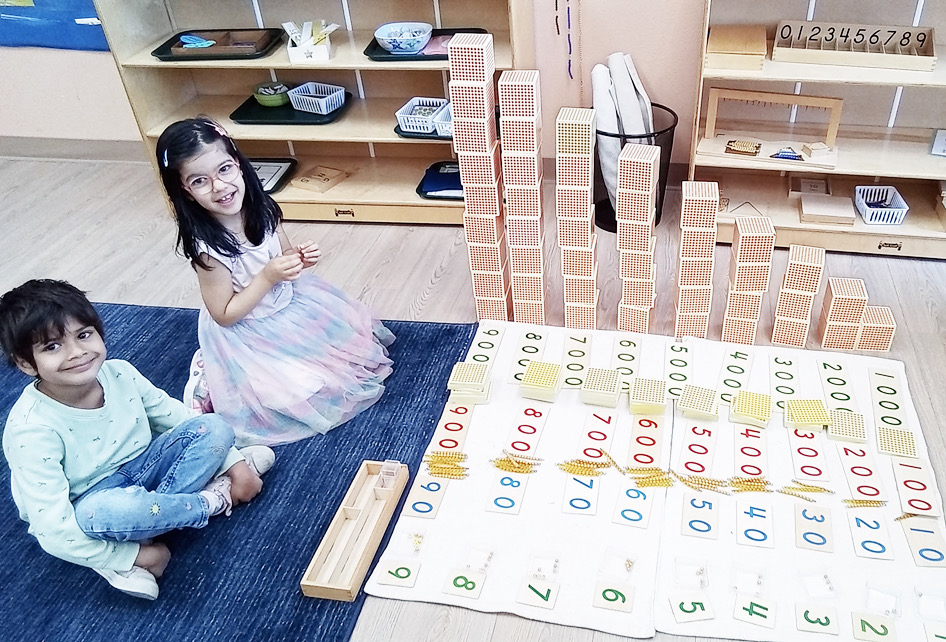
Montessori math materials are designed to help children understand mathematical concepts by seeing and touching them first. Instead of memorizing numbers, children build a deep understanding of quantity, sequencing, patterns, and relationships.
Activities often include:
- Counting and number recognition
- Sorting and classifying objects
- Pattern recognition
- Measuring and comparing
- Simple addition and subtraction with hands-on materials
- Understanding place value through concrete learning tools
These experiences help children build confidence before moving into more abstract mathematical thinking.
Learning Through Hands-On Exploration
Children learn best when they actively participate in the learning process. Montessori classrooms are carefully prepared with materials that invite exploration, discovery, and independent practice.
Whether tracing letters, building words, counting beads, or matching quantities, every activity is designed to strengthen concentration, critical thinking, and problem-solving skills.
Hands-on learning also allows children to repeat activities until they master a concept, helping them develop persistence and confidence.
Encouraging Independence and Confidence
One of the greatest benefits of Montessori education is that children become active participants in their own learning.
Rather than waiting for instructions, children choose activities that interest them within a carefully prepared environment. This freedom encourages responsibility, focus, and self-motivation.
When children experience success through their own efforts, they develop confidence that extends beyond academics into every area of life.
Preparing for Kindergarten and Beyond
Kindergarten readiness is about much more than knowing letters and numbers. Successful learners also know how to:
- Listen and follow directions
- Focus on tasks independently
- Solve problems creatively
- Communicate clearly
- Work respectfully with others
- Care for themselves and their classroom
Montessori education develops these important life skills alongside reading and math, helping children enter kindergarten with confidence and a genuine love of learning.
Partnering with Families
Learning continues at home as well. Reading together each day, encouraging conversations, counting everyday objects, and allowing children to help with simple household tasks all reinforce the skills they develop in the classroom.
When schools and families work together, children thrive.
Discover the Montessori Difference
Every child learns differently, and Montessori education honors that individuality. By combining hands-on learning, individualized instruction, and a nurturing environment, children build strong foundations in reading, math, independence, and confidence that support lifelong success.
If you're looking for a Montessori preschool that encourages curiosity, creativity, and academic growth, we'd love to meet your family. We invite you to schedule a tour of one of our campuses in Pleasanton, Tracy, or Milpitas to see Montessori learning in action and discover how our classrooms help children develop the skills they need for school—and for life.