Montessori Myths: Fact or Fiction? Let's Set the Record Straight!
If you've ever researched Montessori education, you've probably come across some interesting opinions. Some people think Montessori children can do whatever they want all day. Others believe Montessori classrooms don't encourage creativity, or that the approach is only for certain types of children.
So, what's true, and what's simply a myth?
Let's play a fun game of Fact or Fiction and uncover the truth behind some of the most common Montessori myths!
Myth #1: Montessori Children Can Do Whatever They Want
FICTION ❌
This is one of the biggest misconceptions about Montessori education.
While children are given freedom of choice, that freedom exists within carefully established boundaries. Montessori classrooms are thoughtfully prepared environments where children choose from purposeful, age-appropriate activities.
Rather than being told exactly what to do every minute of the day, children learn how to make responsible choices, manage their time, and develop independence.
Think of it this way: Montessori offers freedom with responsibility, not freedom without limits.
Myth #2: Montessori Doesn't Prepare Children for "Real School"
FICTION ❌
In reality, Montessori education helps children develop many of the skills needed for long-term academic success.
Montessori students regularly practice:
- Problem-solving
- Critical thinking
- Concentration
- Time management
- Independence
- Collaboration
- Communication skills
Many parents are surprised to learn that kindergarten readiness involves much more than knowing letters and numbers. Being able to follow directions, work independently, and adapt to new situations are all important skills that Montessori classrooms help develop every day.
Myth #3: Montessori Is Only for Highly Gifted Children
FICTION ❌
Montessori education is designed to support a wide range of learners.
Because Montessori classrooms allow children to progress at their own pace, students can receive the challenge or support they need without being compared to others.
Every child learns differently. The Montessori method recognizes and celebrates those differences.
Whether a child is naturally outgoing, shy, energetic, analytical, creative, or hands-on, Montessori provides opportunities for growth based on individual needs and interests.
Myth #4: Montessori Children Spend All Day Playing
FACT...AND FICTION! 🤔
This one depends on how you define "play."
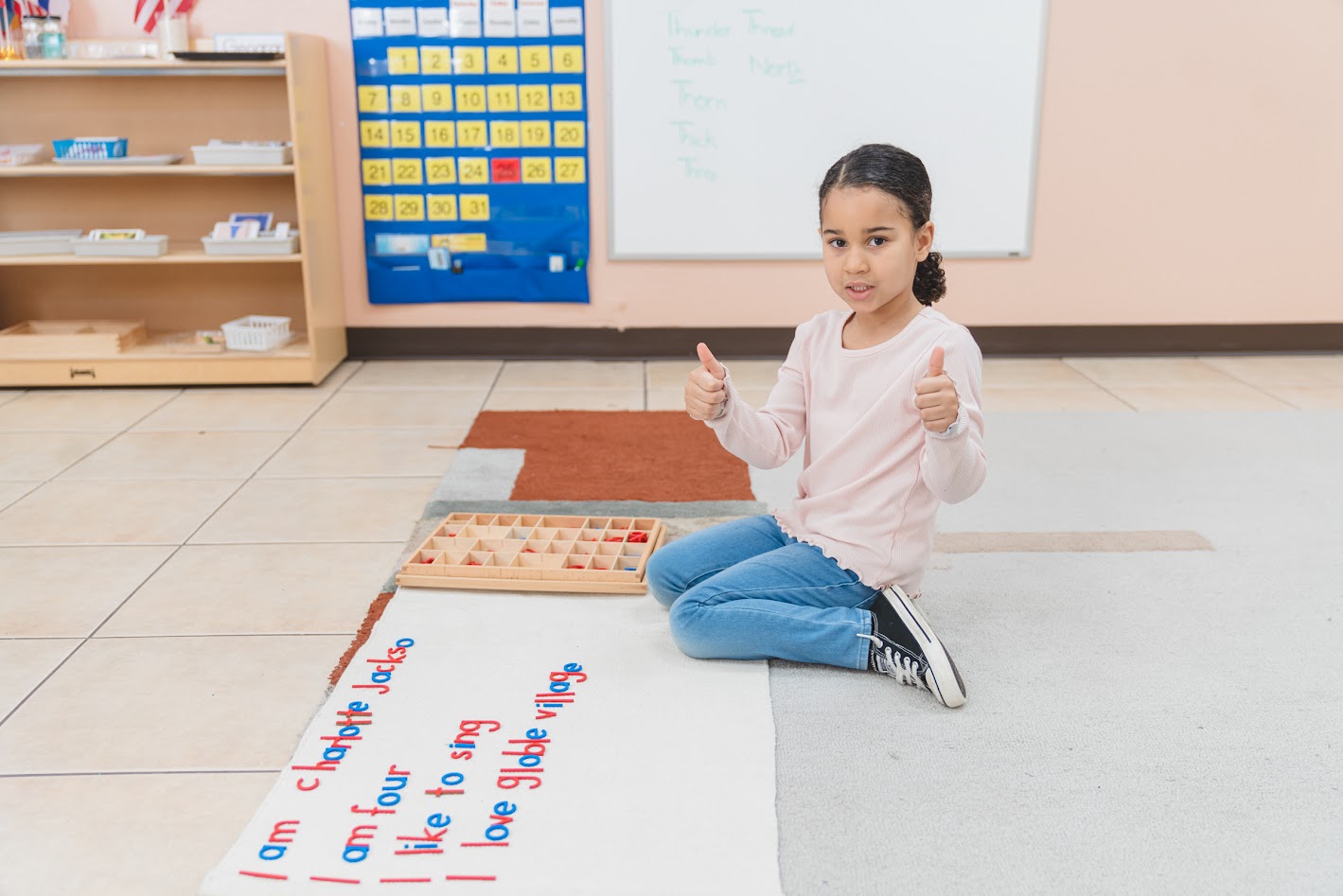
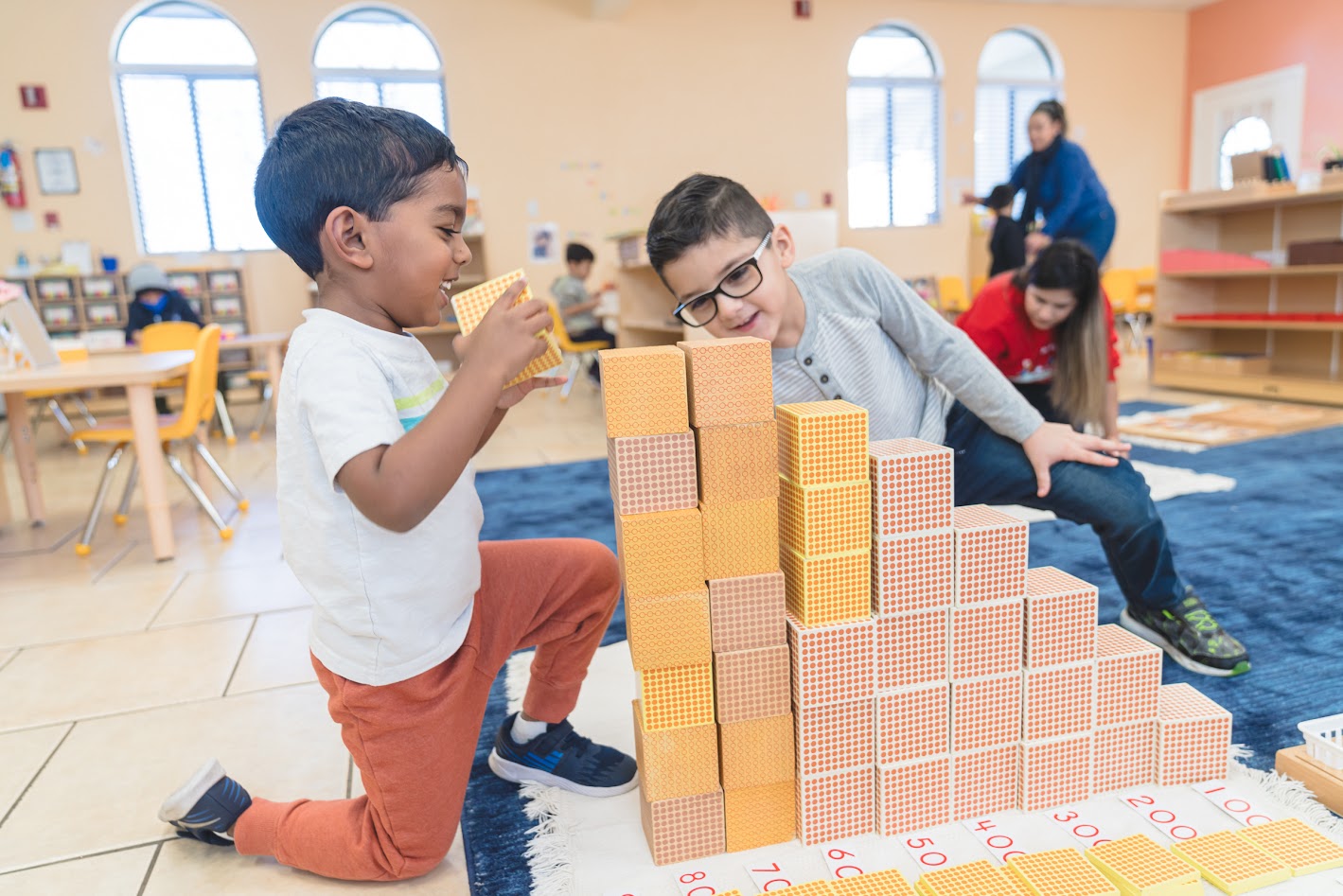
Young children learn through exploration, movement, discovery, and hands-on experiences. Montessori classrooms are full of engaging materials that children genuinely enjoy using.
To a child, learning to pour water, build vocabulary, solve a puzzle, or explore math concepts may feel like play.
The difference is that Montessori activities are intentionally designed to build specific skills while keeping children engaged and motivated.
So yes, children have fun, but they're learning the entire time.
Myth #5: Montessori Classrooms Aren't Creative
FICTION ❌
Some people assume that because Montessori classrooms have structure and specialized materials, there isn't room for creativity.
In fact, Montessori encourages creativity in many forms.
Children engage in:
- Art
- Music
- Storytelling
- Problem-solving
- Imaginative thinking
- Open-ended exploration
Rather than providing one "right" answer, Montessori often encourages children to think independently, ask questions, and discover solutions on their own. Creativity is about learning how to think.
Myth #6: Montessori Is Too Strict
FICTION ❌
Visitors are often surprised by how calm Montessori classrooms feel.
The environment is structured, but not rigid.
Children are encouraged to move, explore, interact with peers, and engage in meaningful work throughout the day. The goal isn't strict control—it's helping children develop self-discipline and respect for themselves, others, and their environment.
Instead of relying on constant reminders from adults, children gradually learn to manage their own behavior and responsibilities.
Myth #7: Montessori Teaches Practical Life Skills
FACT ✅
Absolutely!
Practical life activities are one of the most beloved parts of Montessori education.
Children may learn how to:
- Pour liquids
- Prepare snacks
- Care for plants
- Clean up after themselves
- Organize materials
- Button, zip, and fasten clothing
While these activities may seem simple, they help build independence, coordination, confidence, focus, and responsibility.
Parents are often amazed when their child starts helping more at home after practicing these skills in the classroom.
Myth #8: Montessori Is Just About Academics
FICTION ❌
Montessori education focuses on the development of the whole child.
Along with literacy and math, children learn important social-emotional skills such as:
- Empathy
- Respect
- Cooperation
- Conflict resolution
- Confidence
- Emotional awareness
Academic success is important, but so is helping children become capable, compassionate, and confident individuals.
Myth #9: Montessori Children Learn Independence
FACT ✅
One of the primary goals of Montessori education is helping children become confident, capable learners.
From choosing activities to caring for their classroom environment, children are given opportunities to make decisions and take ownership of their learning.
Over time, they develop a strong sense of independence and self-confidence that often carries into future school experiences and everyday life.
The Final Verdict
Montessori education is often misunderstood because it looks different from traditional classroom models. But once families step inside a Montessori classroom, they quickly discover an environment filled with curiosity, creativity, hands-on learning, independence, and joyful discovery.
The truth is that Montessori isn't about doing whatever you want, eliminating structure, or creating tiny geniuses. It's about respecting each child's natural desire to learn while providing the tools, guidance, and environment they need to thrive.
Global Village Montessori is a preschool and daycare serving children from infancy through age 6. We also offer after-school care and school pick-up services for Transitional Kindergarten (TK) through 5th-grade students. With locations in Milpitas, Pleasanton, and Tracy, we provide a nurturing Montessori environment that supports each child's growth, learning, and development.