Montessori vs. Traditional Preschool: What’s the Difference?
Montessori vs. Traditional Preschool: What’s the Difference?
Choosing the right preschool for your child is an exciting milestone—but it can also feel overwhelming. With so many options available, many parents wonder about the difference between a Montessori preschool and a traditional preschool.
Both environments aim to support early learning and development, but they approach education in very different ways. Understanding these differences can help families choose the setting that best fits their child and their values.
The Montessori Approach
The Montessori method, developed by Maria Montessori, is based on the idea that children learn best when they are given the freedom to explore within a carefully prepared environment.
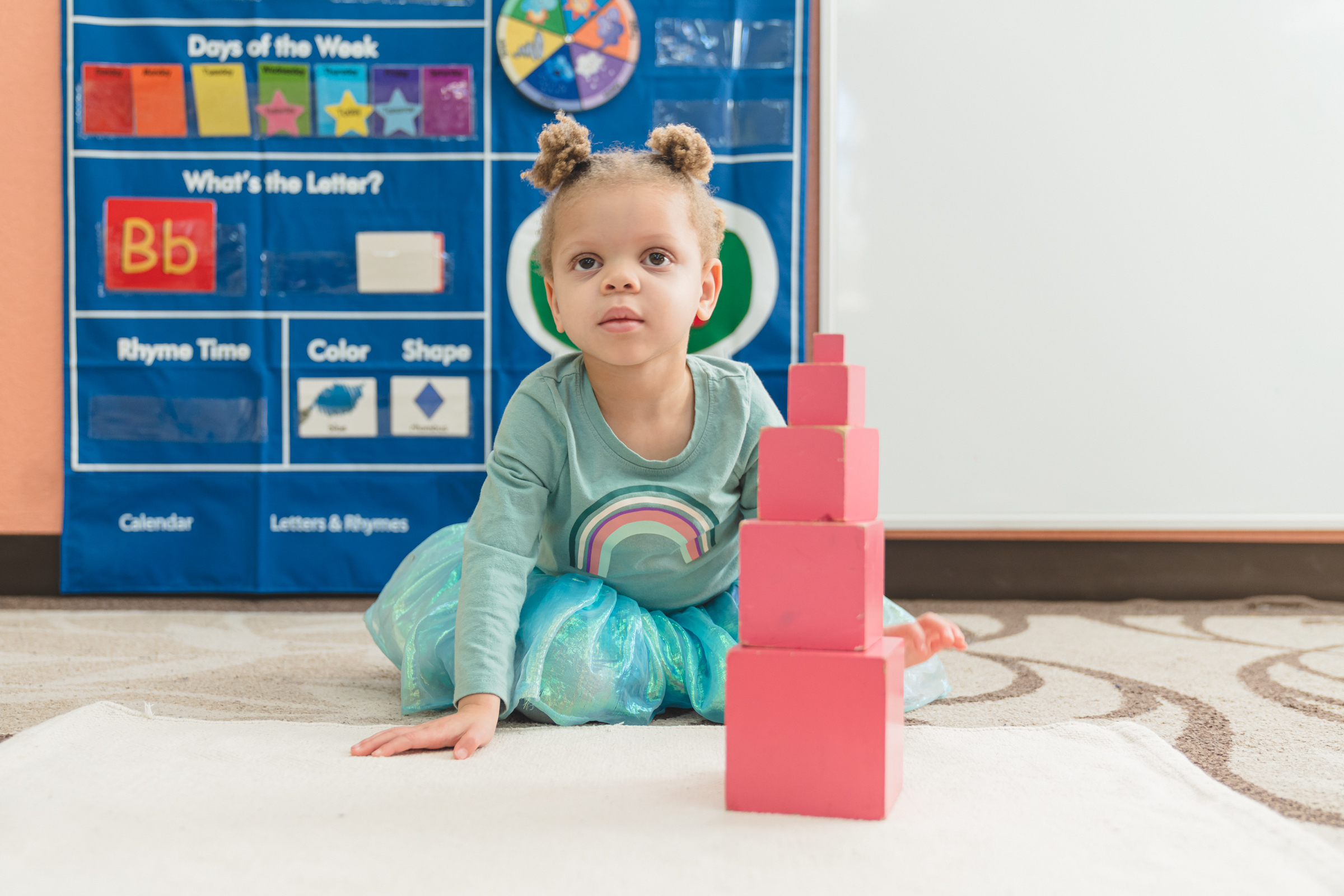
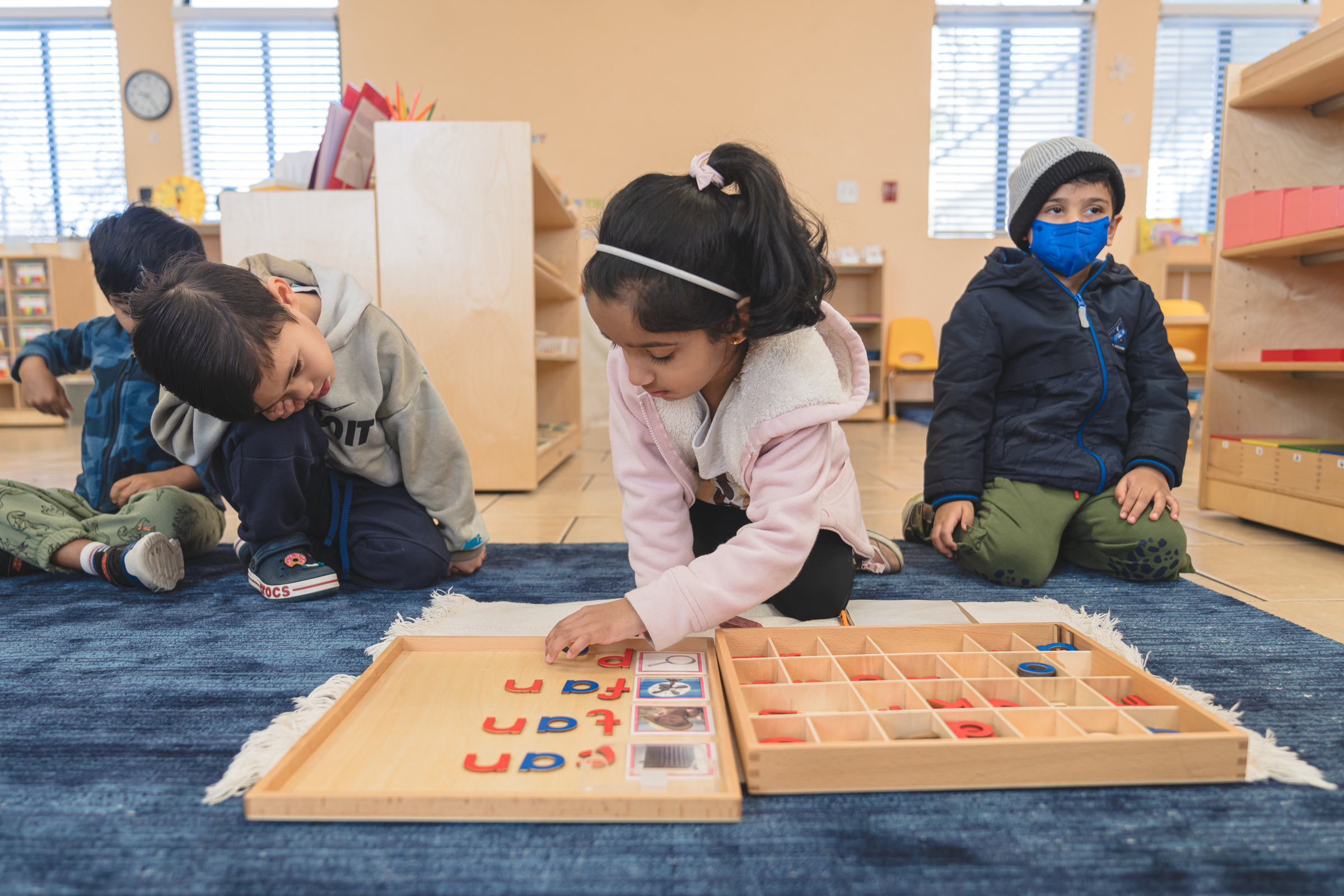
In a Montessori classroom, children choose their own activities (often called “work”) from a variety of materials designed to support learning in areas such as language, math, practical life, and sensory development.
Key features of a Montessori preschool include:
- Child-chosen work: Children select activities that interest them.
- Hands-on learning materials: Specially designed materials help children understand concepts through experience.
This approach encourages independence, concentration, and a love of learning.
The Traditional Preschool Model
Traditional preschool programs are often more structured and teacher-directed. Teachers typically guide the entire class through activities such as circle time, crafts, and group lessons.
In many traditional classrooms:
- The teacher chooses the activities for the group.
- The schedule is structured around group instruction.
- Children often move through activities together as a class.
- Learning may include worksheets, crafts, and teacher-led lessons.
Traditional preschools can provide valuable social experiences and introduce children to routines that resemble elementary school classrooms.
Key Differences Between Montessori and Traditional Preschool
While both types of programs support early childhood development, their philosophies and classroom structures differ in several important ways.
1. Child-Led vs Teacher-Led Learning
In Montessori classrooms, children have a significant degree of choice in their learning. They select activities that capture their interest, which often leads to deeper engagement and concentration.
In traditional preschools, teachers usually plan and lead most activities for the group.
2. Learning Through Hands-On Materials
Montessori classrooms use carefully designed materials that allow children to learn through touch, movement, and discovery. These materials help children understand concepts such as quantity, sequencing, and language in a concrete way.
Traditional classrooms may incorporate hands-on activities as well, but learning is often guided through group instruction or teacher-led projects.
3. Mixed-Age Classrooms
A hallmark of Montessori education is the mixed-age classroom, typically spanning three years. This allows younger children to learn by observing older peers, while older children build confidence by mentoring younger classmates.
Traditional preschools are usually grouped by age, with all children in the class being the same age.
4. Focus on Independence
Montessori environments are intentionally designed to help children become independent. From choosing their own work to caring for classroom materials, children practice responsibility and self-direction throughout the day.
Traditional preschools may also encourage independence, but activities are often more directed by the teacher.
Which Preschool Is Right for Your Child?
Both Montessori and traditional preschools can offer positive early learning experiences. The best choice depends on your child’s personality, learning style, and your family’s educational goals.
Parents who choose Montessori often appreciate:
- The emphasis on independence
- Child-led exploration
- Hands-on learning
- A calm, focused classroom environment
Families may prefer traditional preschool settings if they are looking for a program with more teacher-led structure and group activities.
Seeing the Difference in Person
Reading about different preschool philosophies is helpful, but the best way to understand a program is to experience it firsthand. Visiting a classroom allows parents to observe how children interact with their environment, their teachers, and each other.
Every child learns differently, and finding the right environment can help nurture curiosity, confidence, and a lifelong love of learning.