Questions to Ask During a Montessori School Tour
Choosing the right preschool is one of the biggest decisions parents make during early childhood. If you are scheduling a Montessori school tour, knowing the right questions to ask can help you feel confident about your child’s learning environment, teachers, and daily experience.
Whether you are comparing programs or searching for the best Montessori preschool near you, a school tour is the perfect opportunity to learn how a Montessori education supports independence, creativity, and a lifelong love of learning.
Here are the most important questions to ask during a Montessori school tour.
What Montessori Training Do the Teachers Have?
One of the first things parents should ask is whether the teachers are Montessori-certified and trained in early childhood education.
Authentic Montessori teachers receive specialized training that helps them understand child development, hands-on learning, and how to guide children at their own pace.
Questions to ask:
- Are your teachers Montessori certified?
- What Montessori training programs have they completed?
- How long have they worked in Montessori education?
Experienced Montessori teachers create calm, engaging classrooms where children can develop confidence, concentration, and independence.
What Does a Typical Day Look Like?
Every Montessori preschool has its own schedule, but there are key components that should be part of an authentic Montessori classroom.
Ask about:
- uninterrupted work periods
- outdoor play
- practical life activities
- snack and lunch routines
- group time
- enrichment activities
A quality Montessori preschool program balances structure, freedom, movement, and social interaction throughout the day.
How Does the Montessori Classroom Encourage Independence?
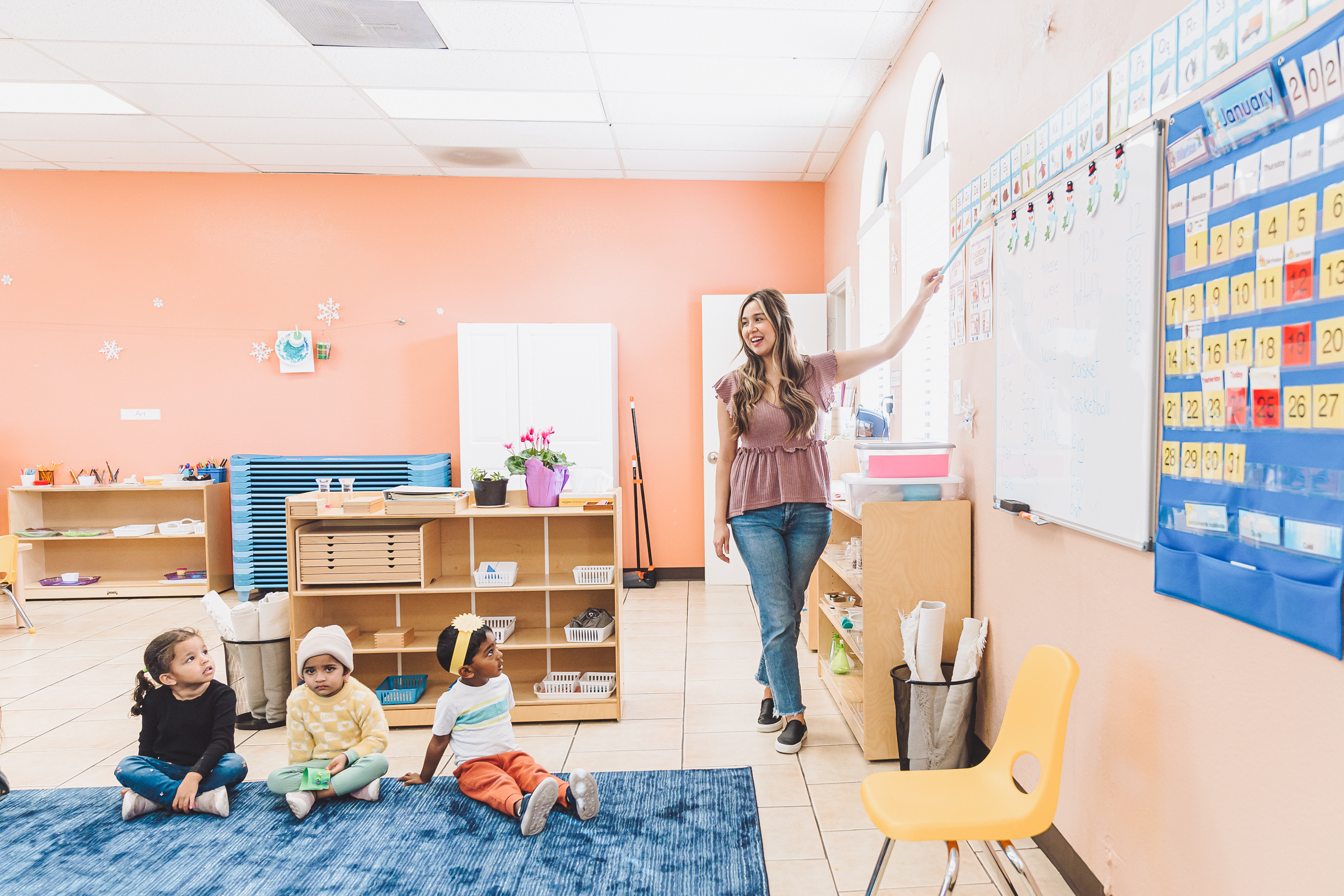
Independence is one of the core principles of Montessori education. During your preschool tour, observe whether children are encouraged to:
- choose their own work
- clean up independently
- serve themselves snacks
- solve problems peacefully
- care for their classroom environment
Montessori classrooms are intentionally designed to help children build self-confidence and responsibility from an early age.
How Are Social Skills and Emotional Development Supported?
Parents often search for a preschool that supports both academic readiness and emotional growth.
Ask the school:
- How do teachers handle conflict resolution?
- How are kindness and respect encouraged?
- How do children learn social skills in the classroom?
In Montessori education, mixed-age classrooms help younger children learn from older peers while older students develop leadership and empathy.
What Is the Student-to-Teacher Ratio?
A low student-to-teacher ratio is important in any preschool setting. Smaller class sizes allow teachers to provide more individualized support and observation.
When touring a Montessori preschool, ask:
- How many students are in each classroom?
- How many teachers are present?
- How do teachers track each child’s progress?
Personalized learning is one of the biggest benefits of a Montessori education.
How Does the School Communicate With Parents?
Strong parent-school communication helps families feel connected and informed.
Questions to ask include:
- How often do parents receive updates?
- Are conferences offered?
- Will I receive photos or progress reports?
- How does the school handle concerns or behavioral challenges?
The best Montessori schools view parents as partners in a child’s education.
Is the Classroom Calm, Organized, and Child-Centered?
As you tour the preschool classroom, pay attention to the environment itself.
A Montessori classroom should feel:
- calm and peaceful
- organized and inviting
- clean and orderly
- designed for children’s independence
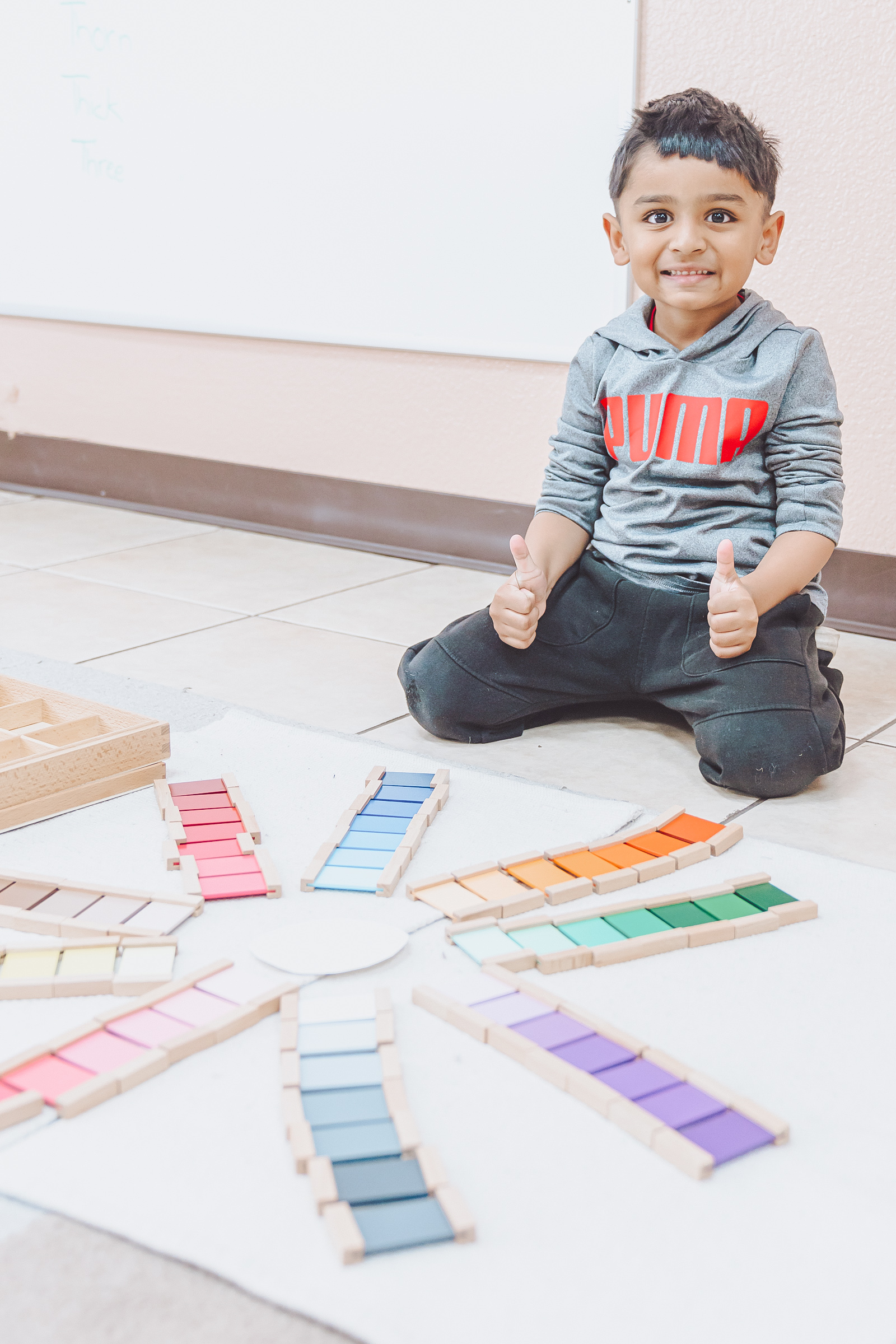
Materials should be accessible to children, and students should appear engaged and focused in meaningful activities.
How Does the School Prepare Children for Kindergarten?
Many parents wonder whether Montessori preschool prepares children for future academic success.
Ask how the program supports:
- early literacy
- math readiness
- problem-solving skills
- concentration
- independence
- social-emotional development
Montessori students often enter kindergarten with strong self-help skills, confidence, and a genuine love of learning.
What Safety and Health Policies Are in Place?
Safety is always a top priority when choosing a preschool.
Questions to ask:
- What are your health and sanitation procedures?
- How is classroom security managed?
- What happens if a child becomes sick?
- Are staff CPR and first aid certified?
Feeling comfortable with a school’s safety policies provides important peace of mind for parents.
Final Thoughts
Finding the right Montessori preschool starts with asking thoughtful questions and observing the classroom environment carefully.
A school tour gives families the chance to see how Montessori education supports independence, hands-on learning, emotional development, and kindergarten readiness.
If you are looking for a nurturing preschool environment where children are encouraged to explore, discover, and grow at their own pace, touring a Montessori school can help you determine whether it is the right fit for your family.
Choosing a preschool is about more than academics — it is about finding a community where your child feels safe, supported, and inspired to learn every day.