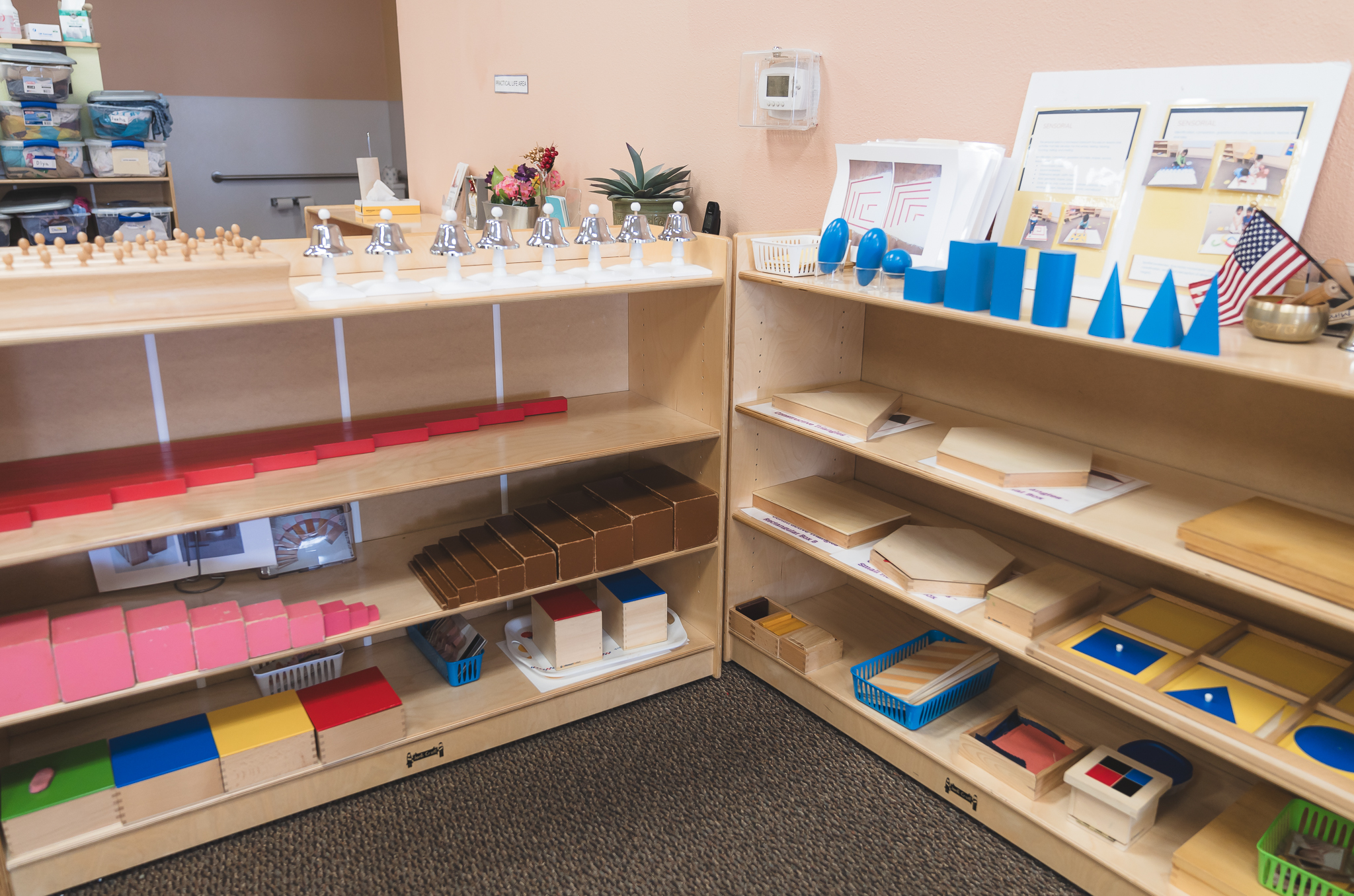

The Hidden Benefits of Montessori Education (That Most Parents Don’t Know)
When parents begin searching for the best preschool option, they often come across the Montessori method. You’ve probably heard phrases like “child-led learning” or “hands-on education”—but what does that really mean for your child’s future?
Beyond the well-known approach, there are powerful, lesser-known benefits of Montessori education that can shape your child’s confidence, independence, and long-term success.
Let’s take a closer look at what most parents don’t know—and why it matters.
1. Montessori Builds Real-World Independence Early
One of the most overlooked advantages of Montessori education is how quickly children develop independence.
In a Montessori classroom, children are encouraged to:
- Choose their own activities
- Clean up after themselves
- Solve problems without constant adult intervention
These aren’t just classroom habits—they’re life skills.
Why does this matter?
Children who develop independence early tend to:
- Adapt more easily to kindergarten
- Show stronger decision-making skills
- Build higher self-confidence
2. It Strengthens Focus and Attention Span
In today’s world of constant distractions, many parents worry about their child’s ability to focus.
Montessori classrooms are designed to promote deep concentration through:
- Uninterrupted work periods
- Minimal screen exposure
- Hands-on, engaging materials
The hidden benefit:
Children learn how to focus for longer periods naturally, without being forced.
This skill carries into:
- Academic success
- Better listening skills
- Improved problem-solving
3. Social-Emotional Skills Are Built Into Everyday Learning
While traditional programs often separate academics from behavior, Montessori integrates social-emotional development into everything.
Children learn:
- Conflict resolution
- Respect for others
- Empathy and cooperation
Why do parents love this?
Instead of reacting emotionally, Montessori children are taught to:
- Communicate their needs
- Work through challenges calmly
- Build positive peer relationships
4. Montessori Encourages a Genuine Love of Learning
Many educational models rely on rewards, grades, or pressure. Montessori takes a different approach.
Children are motivated by:
- Curiosity
- Exploration
- Personal achievement
What is the long-term impact?
Kids develop an intrinsic motivation to learn, meaning they:
- Ask more questions
- Stay engaged longer
- Enjoy the learning process
This can lead to stronger academic outcomes without burnout.
5. Mixed-Age Classrooms Boost Confidence and Leadership
This is one of the most unique—and often misunderstood—features of Montessori.
Children are grouped in mixed-age classrooms, typically spanning 2–3 years.
What happens:
- Younger children learn by observing older peers
- Older children reinforce knowledge by teaching others
The hidden advantage - your child gains:
- Leadership skills
- Confidence in helping others
- A sense of community
6. It Prepares Children for More Than Just Kindergarten
Many parents focus on kindergarten readiness, but Montessori goes further.
It prepares children for:
- Real-world problem solving
- Adaptability
- Critical thinking
The difference:
Instead of memorizing information, children learn how to think.
That’s a skill they’ll use for life.
7. Children Develop Strong Decision-Making Skills
In Montessori environments, children are given structured freedom.
They make choices daily:
- What to work on
- How long to engage
- When to move on
Why this matters:
Decision-making is like a muscle—the more it’s used, the stronger it becomes.
Children become:
- More confident
- More responsible
- Less dependent on constant direction
Why do these benefits matter?
These benefits matter because Montessori education doesn’t just prepare children for school—it prepares them for life. By building independence, focus, emotional intelligence, and decision-making skills early on, children develop the confidence and adaptability they need to succeed in any environment. Instead of relying on external rewards or rigid instruction, they become self-motivated learners who can think critically, solve problems, and navigate challenges on their own. In the long run, these foundational skills support not only academic success but also personal growth, resilience, and lifelong learning.