What Age Should My Child Start Montessori? A Parent's Guide to Infant, Toddler, and Preschool Montessori
If you're wondering, "What age should my child start Montessori?", you're not alone. It's one of the most common questions parents ask as they begin exploring childcare and early education options.
The simple answer is that Montessori education can begin as early as infancy. While many people think of Montessori as a preschool program, the Montessori philosophy supports children's development from birth. In fact, the earliest years of life are when children experience the most rapid brain development, making this an ideal time to introduce a nurturing, prepared learning environment.
At Global Village Montessori, we welcome children beginning at 0 years old in our Infant Program and continue supporting their growth through our Toddler and Preschool classrooms at our campuses in Pleasanton, CA, and Tracy, CA.
Whether you're expecting your first baby, returning to work after parental leave, or looking for the right preschool, understanding the benefits of Montessori at every stage can help you make the best decision for your family.
Why the First Years Matter
The first five years of a child's life lay the foundation for future learning, confidence, communication, and social-emotional development. During this time, children absorb information from their surroundings naturally, making early experiences incredibly meaningful.
Montessori education is designed to support this sensitive period by creating environments that encourage:
- Independence
- Language development
- Motor skills
- Problem-solving
- Emotional security
- Curiosity
- Concentration
- Confidence
Rather than expecting every child to learn at the same pace, Montessori respects each child's individual development while providing carefully prepared materials and guidance.
Montessori for Infants (Birth to 18 Months)
Many parents are surprised to learn that Montessori for infants begins at birth.
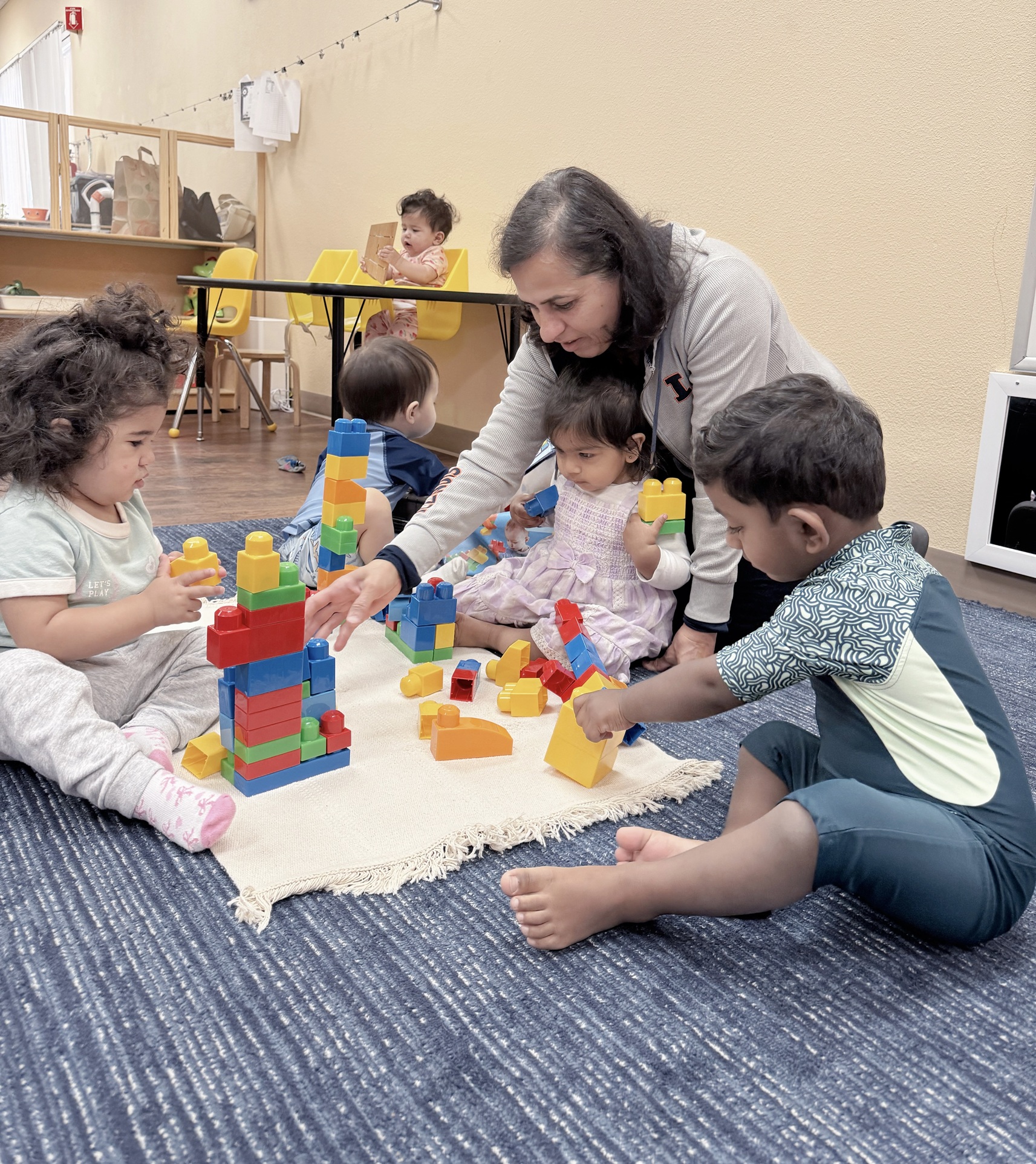
An Infant Montessori classroom is much more than childcare. It is a calm, nurturing environment where caregivers respond respectfully to each child's individual needs while encouraging exploration, movement, and early communication.
During infancy, children learn through every interaction. A Montessori Infant Program focuses on:
- Secure relationships with caregivers
- Freedom to safely explore
- Language-rich interactions
- Sensory experiences
- Developing movement naturally
- Building trust and confidence
- Consistent daily routines
Instead of overstimulation, Montessori environments are intentionally peaceful, helping babies feel safe while encouraging healthy development.
Families often choose an infant Montessori program because they want more than traditional daycare. They want an environment that supports the whole child during these important early months.
Montessori for Toddlers (18 Months to 3 Years)
Toddlerhood is one of the most exciting stages of development.
Children become eager to do things independently, communicate their thoughts, and explore everything around them.
A Montessori Toddler Program is designed specifically for this stage.
Daily activities encourage children to:
- Dress themselves
- Pour water
- Wash hands independently
- Prepare simple snacks
- Clean up after activities
- Develop language skills
- Build social confidence
- Practice problem-solving
These practical life experiences may seem simple, but they help develop coordination, concentration, responsibility, and independence.
Instead of adults doing everything for children, Montessori encourages children to participate in meaningful daily routines, helping them build confidence one small success at a time.
Montessori Preschool (Ages 3 to 6)
When children enter the Preschool classroom, they continue building on the independence they've already developed.
The Montessori Preschool environment introduces children to:
- Early reading
- Phonics
- Writing
- Mathematics
- Science
- Geography
- Art
- Music
- Cultural studies
- Practical life
- Grace and courtesy
Because children work at their own pace, they often develop a genuine love of learning rather than simply completing assignments.
Mixed-age classrooms also allow younger children to learn by observing older classmates while giving older children opportunities to become leaders and mentors.
Is Earlier Better?
Parents often ask whether there is a "perfect" age to start Montessori.
The truth is that there isn't one perfect age.
Children can successfully begin Montessori at many stages.
However, families who start during infancy or toddlerhood often appreciate that their children have more time to develop routines, independence, and confidence within the Montessori environment.
Beginning early also allows children to experience a consistent educational approach as they grow.
Is It Ever Too Late to Start Montessori?
Absolutely not.
Many children enter Montessori during preschool and thrive.
Montessori teachers carefully observe each child and provide lessons based on individual readiness rather than age alone.
Whether your child starts at six months, two years old, or four years old, they can benefit from hands-on learning, individualized instruction, and a prepared classroom environment.
Benefits of Starting Montessori Early
Research in early childhood development consistently shows that the first years of life are incredibly important.
Starting Montessori early can help children develop:
Independence
Children learn to complete everyday tasks on their own, building confidence that carries into later learning.
Language Development
Rich conversations, books, songs, and meaningful interactions support communication from infancy onward.
Social Skills
Children learn empathy, cooperation, patience, and respect through daily interactions with peers and teachers.
Concentration
Montessori encourages uninterrupted work periods that allow children to develop focus naturally.
Confidence
Instead of relying on constant praise or rewards, children experience the satisfaction of accomplishing meaningful work independently.
Love of Learning
Because children choose purposeful activities that match their developmental stage, learning becomes enjoyable rather than stressful.
How Do You Know Your Child Is Ready?
Every child develops differently, but some signs include:
- Curiosity about the world
- Interest in people and surroundings
- Enjoying routines
- Beginning to communicate wants and needs
- Exploring independently
- Showing interest in new experiences
For infants, readiness often depends more on the family's childcare needs than developmental milestones.
If you're returning to work or looking for a nurturing educational environment, an Infant Montessori classroom can provide a strong foundation from the very beginning.
Why Families Choose Global Village Montessori
Families throughout Pleasanton, Tracy, and Milpitas choose Global Village Montessori because they are looking for more than childcare.
They want an environment where children are encouraged to:
- Build independence
- Develop confidence
- Explore through hands-on learning
- Form meaningful relationships
- Learn at their own pace
- Develop academically, socially, and emotionally
Beginning with our Infant Program and continuing through Toddler and Preschool, we strive to create classrooms that support each child's natural curiosity and love of learning.
Frequently Asked Questions
What is the best age to start Montessori?
Montessori education can begin as early as birth through an Infant Program. Many families choose to start during infancy or toddlerhood, while others begin during preschool. Children can benefit from Montessori at any age.
Can babies attend Montessori?
Yes. Infant Montessori programs are designed specifically for babies from birth, providing nurturing care and developmentally appropriate learning experiences in a prepared environment.
Is Montessori better than traditional daycare?
Every family has different needs. Montessori programs combine high-quality care with intentional learning experiences that encourage independence, exploration, and whole-child development from an early age.
Does Montessori prepare children for kindergarten?
Yes. Montessori classrooms help children develop academic readiness alongside important life skills such as independence, concentration, problem-solving, communication, and social confidence.
Visit Global Village Montessori
Choosing the right early childhood program is one of the most important decisions you'll make as a parent.
Whether you're looking for an Infant Program, Toddler Program, or Montessori Preschool, our experienced educators are here to help your child grow in a safe, nurturing, and engaging environment.
We invite families to visit one of our campuses in Pleasanton, CA, Tracy, CA, or Milpitas, CA to experience our classrooms, meet our teachers, and learn how Montessori education can support your child's development from the very beginning.
Schedule a tour today and discover why so many Bay Area and San Joaquin County families choose Global Village Montessori as their partner in early childhood education.